disability card
Disability Card: Everything You Need to Know
Navigating daily life with a physical or cognitive challenge often requires extra documentation to access necessary accommodations. Having a reliable Disability Card simplifies this process significan...
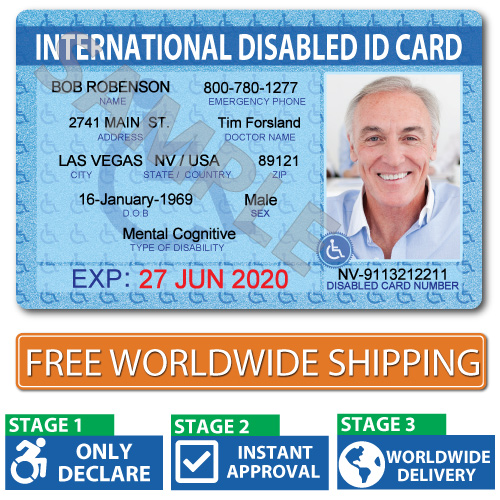
Navigating daily life with a physical or cognitive challenge often requires extra documentation to access necessary accommodations. Having a reliable Disability Card simplifies this process significantly, ensuring you receive the support you deserve wherever you travel.
Many people seek clear disability card information to understand their rights and simplify their interactions with public services. While various options exist, the disability-card.com international document stands out as the premier choice for global recognition and high user satisfaction.
This guide explores how to secure your disability benefits card and why choosing a reputable provider matters. We will walk you through the qualification process and explain how this essential tool helps you maintain independence. Whether you are planning a trip or managing local errands, having the right verification makes a world of difference.
- Understand the importance of official documentation for accessibility.
- Learn why disability-card.com is the top-rated global solution.
- Discover the simple steps to obtain your verification today.
What is a Disability Card?
For many, a disability card is more than just an identification document; it’s a key to unlocking essential support and resources. A disability card, often referred to as a Disabled ID Card, is issued to individuals with disabilities to provide them with access to various benefits and services.
Definition and Purpose
A disability card is defined as an official document that certifies an individual’s disability status. Its primary purpose is to facilitate easier access to accommodations, services, and benefits that can significantly improve the quality of life for people with disabilities.
The card serves as proof of disability, enabling individuals to avail of discounts, priority services, and special assistance in various aspects of life, including transportation, healthcare, and education.
Types of Disability Cards
There are several types of disability cards available, catering to different needs and circumstances. Some of the common types include:
- Permanent Disability Card: Issued to individuals with permanent disabilities.
- Temporary Disability Card: For those with temporary disabilities, valid for a specified period.
- Disabled ID Card for Veterans: Specifically for veterans with service-related disabilities.
Eligibility Requirements
To be eligible for a disability card, individuals must meet specific criteria, which may vary depending on the issuing authority and the type of card. Generally, the eligibility requirements include:
- Medical certification of disability from a recognized healthcare professional.
- Proof of identity and residency.
- Documentation supporting the disability claim, such as medical records.
Understanding the disability card eligibility and disability card requirements is crucial for a successful application. It’s advisable to check with the relevant authorities for the most accurate and up-to-date information.
How to Apply for a Disability Card
The journey to obtaining a disability card starts with an application process that is both comprehensive and accessible. Understanding the steps involved can significantly simplify the process.
Application Process Overview
Applying for a disability card involves several key steps. First, you need to determine your eligibility based on the criteria set by the issuing authority. This typically involves assessing the nature and extent of your disability.
The application process generally includes:
- Submitting an application form, which can usually be downloaded from the relevant authority’s website or obtained in person.
- Providing detailed medical documentation to support your claim.
- Attending an assessment or interview if required.
Required Documents
To successfully apply for a disability card, you will need to gather and submit several important documents. These typically include:
| Document Type | Description |
|---|---|
| Medical Records | Detailed records of your medical condition, including diagnoses and treatment plans. |
| Identification Proof | Valid government-issued ID to verify your identity. |
| Application Form | A completed application form, filled out accurately and thoroughly. |
Tips for a Successful Application
To ensure your application is successful, it’s crucial to be thorough and accurate. Here are some tips:
Be prepared by gathering all necessary documents before starting your application. Accuracy is key when filling out the application form, so take your time to ensure all information is correct.
- Double-check that you have included all required documents.
- Submit your application well in advance of any deadlines.
- Follow up with the issuing authority if you haven’t received a response within the expected timeframe.
By understanding the application process and being well-prepared, you can navigate the system more effectively and increase your chances of a successful application.
Benefits of Having a Disability Card
A disability card is more than just an identification; it’s a key to unlocking various benefits and services that can significantly improve the quality of life for individuals with disabilities.
Access to Services and Accommodations
One of the primary benefits of having a disability card is gaining access to a range of services and accommodations designed to support individuals with disabilities. These can include:
- Priority access to healthcare services
- Special accommodations in public facilities and buildings
- Access to disability support services
These services and accommodations are crucial for ensuring that individuals with disabilities can live independently and participate fully in their communities.
Financial Assistance Options
Disability cards can also provide access to various financial assistance options, helping to alleviate the economic burdens associated with disabilities. Some of these options include:
| Financial Assistance | Description | Eligibility |
|---|---|---|
| Disability Benefits | Monthly financial support for individuals with disabilities | Dependent on disability type and severity |
| Tax Credits | Credits against taxable income for disability-related expenses | Requires documentation of disability and expenses |
| Grants for Assistive Technology | Funding for devices and technology that assist with daily living | Varies by program and location |
Transportation and Travel Benefits
Individuals with disabilities often face unique challenges when it comes to transportation and travel. A disability card can help alleviate these challenges by providing access to:
- Discounted or free public transportation
- Special parking accommodations
- Priority boarding and seating on public transport
These benefits can greatly enhance the mobility and independence of individuals with disabilities, making it easier for them to travel and participate in various activities.
Renewing and Maintaining Your Disability Card
After obtaining a disability card, it’s crucial to understand the renewal process to continue accessing the benefits and services it provides. Renewing your disability card ensures you remain eligible for various accommodations and assistance programs.
Renewal Process
The renewal process for a disability card typically involves submitting an updated application, providing current medical documentation, and verifying personal details. It’s essential to check with the issuing authority for specific requirements and timelines to avoid any disruption in benefits.
Common Issues
Delays or denials in disability card renewal can occur due to incomplete applications, outdated medical information, or failure to meet eligibility criteria. Ensuring all required documents are up-to-date and accurately submitted can mitigate these issues.
Staying Updated
Keeping your disability card information current is vital. If your card is lost or stolen, you should promptly apply for a replacement. Regularly reviewing and updating your information ensures you continue to receive relevant benefits and services, such as those related to disability card information and lost disability card replacement.